


Rejection Sensitive Dysphoria, ADHD, and Relationships: Why Rejection Can Feel So Intense
Rejection Sensitive Dysphoria can make rejection, criticism, or even perceived disapproval feel intensely painful, especially for people with ADHD. A delayed text, change in tone, or small disagreement may trigger shame, anxiety, withdrawal, or people-pleasing. This blog explores how rejection sensitivity can affect relationships, self-worth, and emotional regulation, while offering compassionate tools for slowing the spiral, checking the facts, and responding from a more grounded place.

ADHD, Dopamine-Seeking, and Emotional Regulation: Why Your Brain Craves Stimulation and How to Slow the Reaction Cycle
ADHD can impact more than attention. It may influence stimulation-seeking, dopamine-driven motivation, emotional regulation, impulsivity, and conflict. This blog explores why novelty, excitement, or intensity can feel so activating for the ADHD brain and how therapy can help build awareness, pause, and healthier emotional regulation skills.
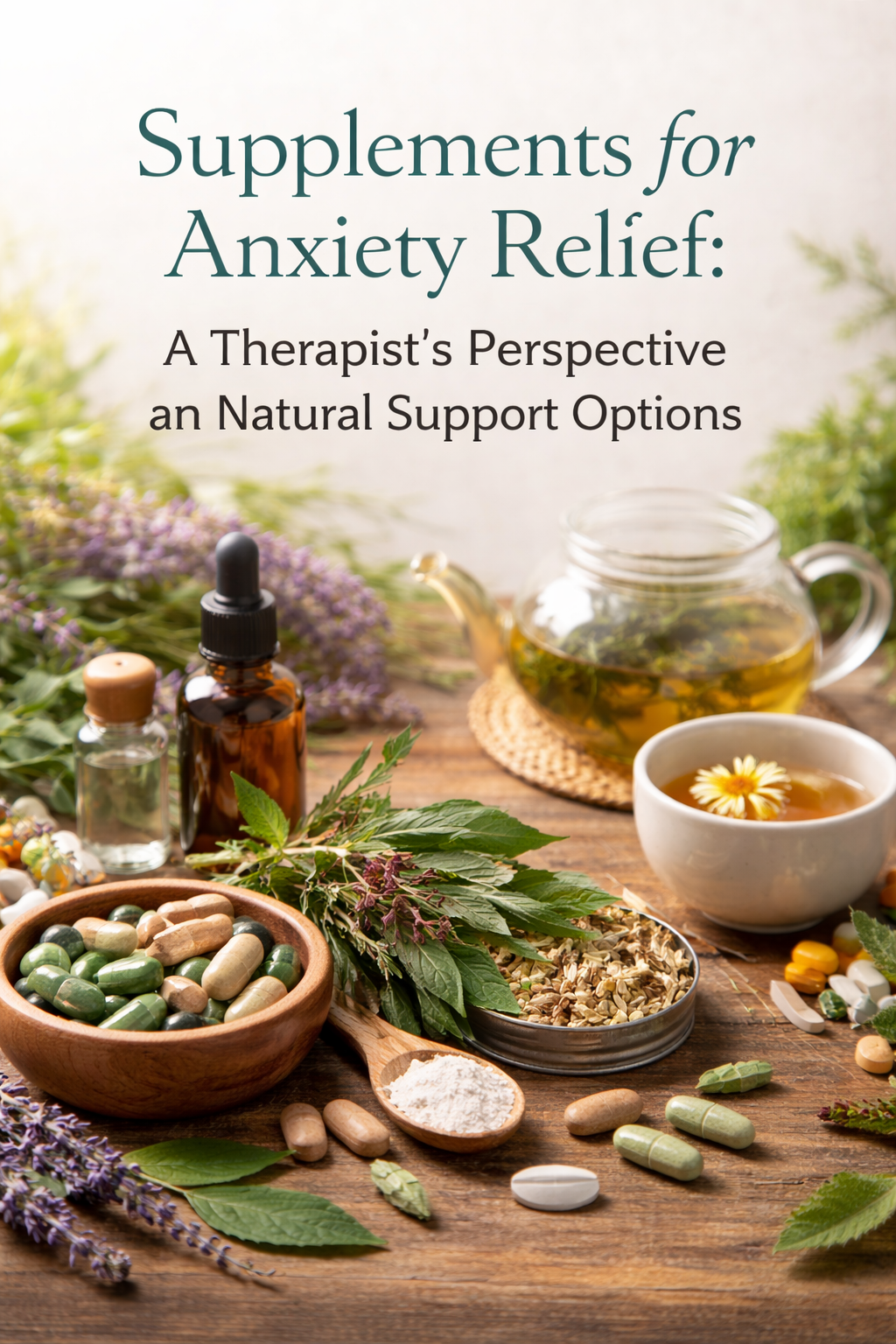
Supplements for Anxiety Relief: A Therapist’s Perspective on Natural Support Options
Explore natural supplements for anxiety relief from a therapist’s perspective. Learn what to know about options like L-theanine, holy basil, lavender, chamomile, and magnesium, including benefits, limitations, and why professional guidance matters.

Six Ways Workplaces Can Better Support Autistic Employees
Supporting autistic employees does not require lowering standards. It requires creating workplaces with clear expectations, direct communication, sensory awareness, and genuine inclusion. Small changes in workplace culture can make a major difference in retention, performance, and well-being.

Navigating Grief, Loneliness, and Emotional Weight During the Winter Season
The winter and holiday season can intensify feelings of grief, loneliness, and emotional heaviness. For many, this time of year brings a quiet awareness of loss, change, and absence. This post explores why grief often feels more present during winter and offers compassionate guidance for moving through the season with gentleness and care.

What Emotional Regulation Really Means
A quiet forest path surrounded by trees and soft natural light, representing calm, grounding, and emotional regulation.
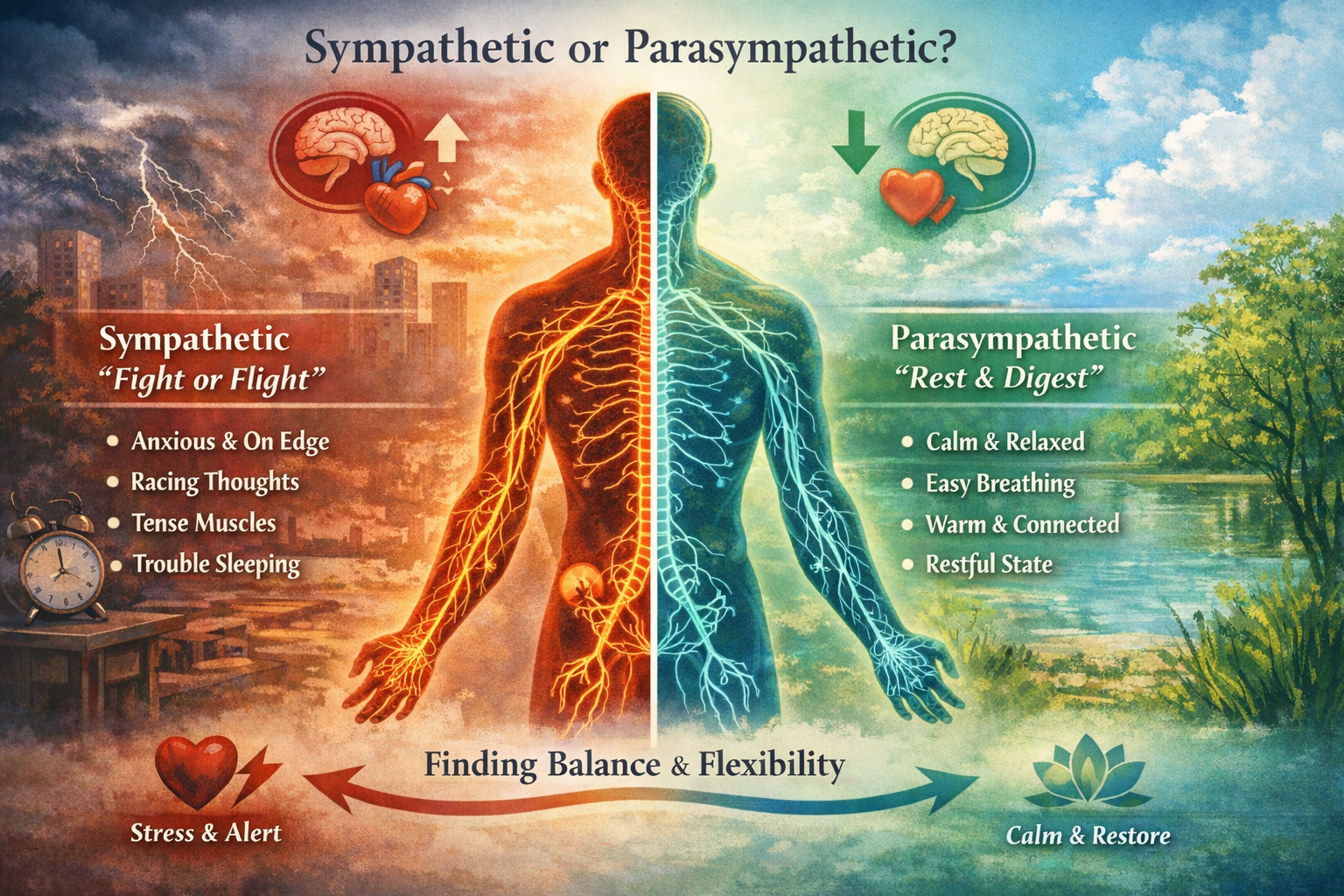
Sympathetic- vs. Parasympathetic-“Dominant”: Helpful shorthand, but not a diagnosis
Your nervous system isn’t broken—it’s adaptive.
Many people describe feeling stuck in “fight or flight” or completely shut down, but these are not permanent states or personality traits. They are protective responses shaped by stress, experience, and environment. Healing isn’t about forcing calm—it’s about gently restoring balance, flexibility, and the ability to move between activation and rest with greater ease.

Therapy as Self-Care: Why Investing in Your Mental Health Isn’t a Luxury

Autism in Adults (Ages 18–35): Why So Many People Are Being Diagnosed Later in Life
Many autistic adults are diagnosed later in life. Learn why autism is often missed, how masking and burnout impact adults, and how therapy can help.

ADHD in Adulthood: Why It Often Goes Unrecognized—and What Actually Helps
ADHD doesn’t disappear after childhood—it often changes shape. Many adults experience chronic overwhelm, emotional dysregulation, procrastination, and burnout without realizing ADHD is part of the picture.

Masking in Autism and ADHD: Why So Many Adults Don’t Realize They’re Neurodivergent
Many autistic and ADHD adults don’t realize they’re neurodivergent until adulthood—not because the signs weren’t there, but because they learned to hide them. Masking, also known as camouflaging, is a survival strategy that helps people “fit in” socially while quietly draining their energy and mental health. This article explores how masking shows up in autism and ADHD, why it often leads to late diagnosis, and what the research says about its emotional cost.

When You’ve Tried Therapy Before, but It Didn’t Help—What Might Have Been Missing
If you’ve tried therapy before and walked away feeling disappointed, confused, or unchanged, you’re not alone. Therapy doesn’t fail because you’re “too self-aware” or “doing it wrong”—often, key elements like fit, pacing, and structure were missing. This article explores why therapy sometimes doesn’t help and what to look for if you’re considering trying again.

High-Functioning Anxiety: When You’re Coping Well but Not Feeling Well
High-functioning anxiety often hides behind productivity, reliability, and competence. You may appear calm and capable on the outside while your nervous system stays on high alert inside. This kind of anxiety isn’t always obvious—but it can be deeply exhausting over time.

Emotional Avoidance vs. Emotional Regulation: How to Tell the Difference
Emotional avoidance and emotional regulation can look similar on the surface, especially for high-functioning adults who have learned to stay composed under stress. Avoidance isn’t failure—it’s often a protective strategy developed over time. This article explores how to tell the difference between avoiding emotion and truly regulating it, and how healing happens safely and gradually.

Why Insight Alone Doesn’t Heal Anxiety (and What Actually Changes It)
Many people with anxiety understand their triggers, patterns, and history—yet still feel stuck. Insight can bring clarity, but it doesn’t always retrain the nervous system. This article explains why anxiety doesn’t change through understanding alone and what actually supports lasting relief.

Why Having a Spiritually Aware Therapist Can Matter
Many people seek therapy to feel less anxious or overwhelmed, but also to feel more aligned, grounded, and connected to themselves. A spiritually aware therapist recognizes that healing often involves meaning, values, and inner experience—not just symptom reduction.